Recognizing early indicators of moisture damage
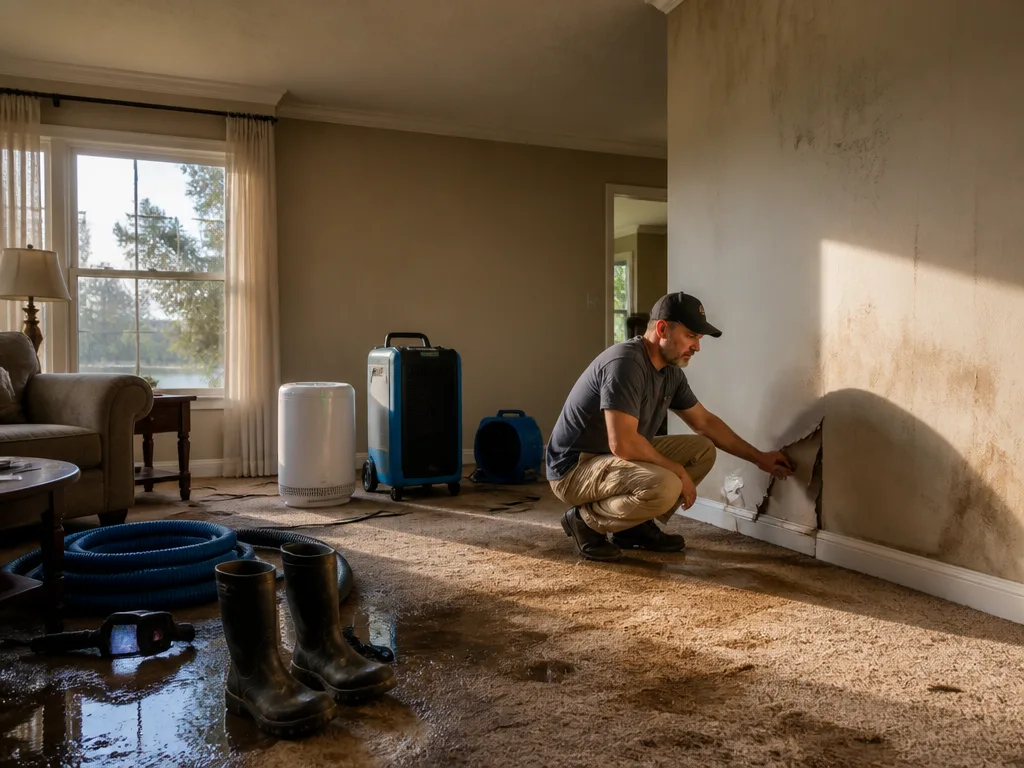
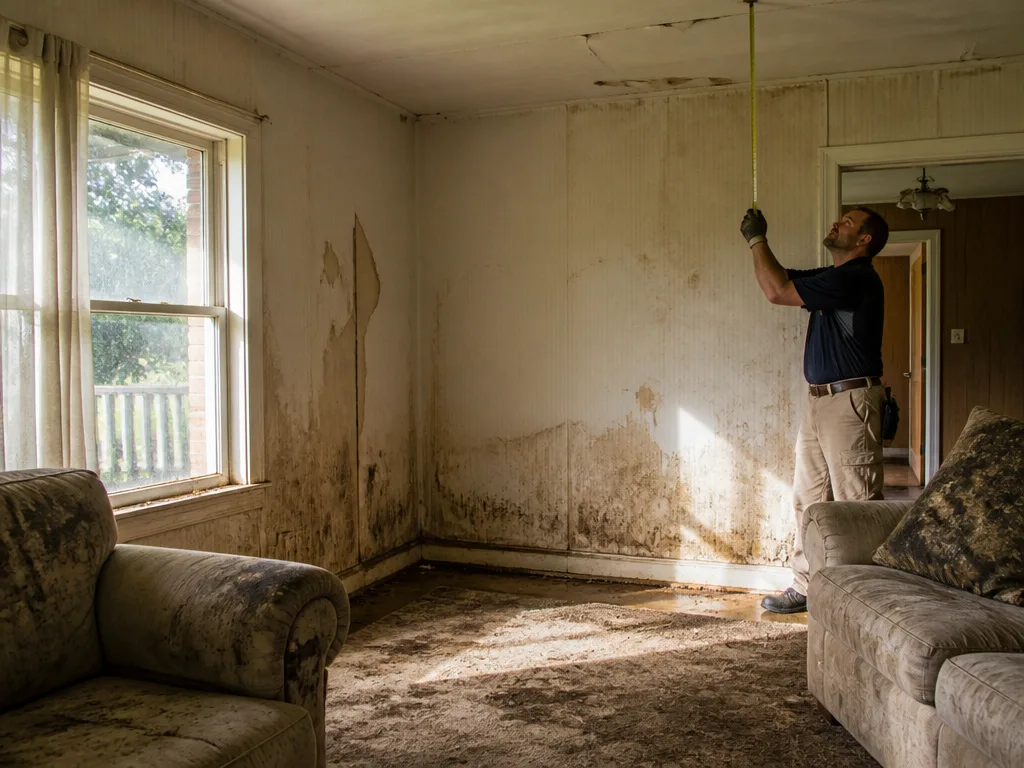
In Alabama, heavy rains and flood events can leave homeowners dealing with more than a damp basement. A restoration specialist will look for subtle signs that moisture has moved beyond visible puddles. Warped baseboards, peeling paint, and wallpaper that bubbles are often the first clues. Metal fixtures that have started to rust and wood trim showing unusual dark staining can indicate lingering moisture behind walls.
Another red flag is musty odors that persist after you dry a space. Even when a surface looks dry, hidden pockets of moisture in wall cavities can foster mold growth. If you notice a persistent scent of mildew, it’s time to have a professional assess the area. Alabama crews are trained to detect these hidden sources using noninvasive tools so you don’t have to guess what’s going on.
How moisture travels through Alabama homes
Moisture from flooding tends to travel up into framing and down into subfloors. It can wick into insulation and travel along studs and joists. At a glance, you might see discoloration on drywall, but the bigger risk is what you don’t see. A restoration specialist understands how humidity migrates and where to check first, from crawlspaces to attics, across Alabama homes.
Speed matters. Larger, wetter areas can deteriorate faster than you expect, especially in humid Alabama climates. If you’re unsure about the source, a professional assessment helps isolate the problem and prevent secondary damage like warped walls or compromised air quality.
What to do right away
Document visible damage with photos, but avoid disturbing any soaked materials more than necessary. Contact a restoration specialist to schedule a field assessment. They’ll perform a moisture survey, check for mold risks, and outline a plan tailored to your home. Alabama Flood Repair can coordinate a statewide response so crews in every Alabama metro can be on the same page about preferred methods and timelines.
Keep ventilation steady where safe, drain standing water if possible, and reduce humidity with dehumidifiers in occupied spaces. The goal is to slow the spread of moisture and protect structural components while you wait for a professional evaluation.
When to call a restoration professional
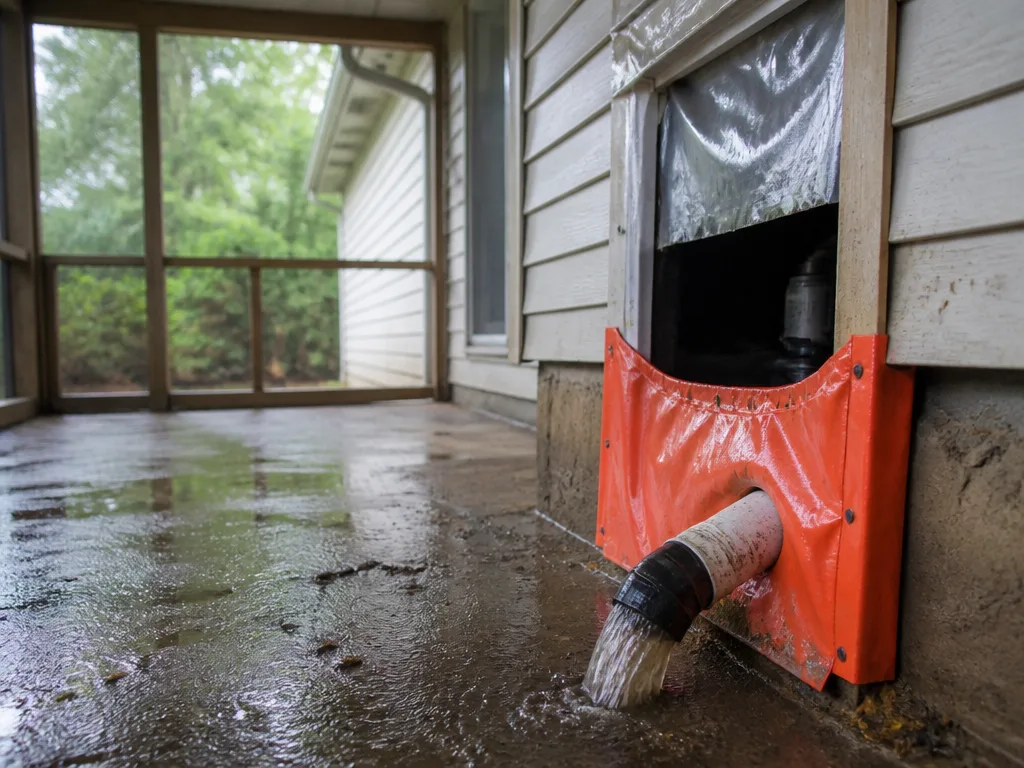
If you notice persistent dampness, unusual odors, or any signs of mold, contact a restoration specialist promptly. Delays can complicate drying dynamics and increase the risk of long-term damage. In Alabama, a statewide service team can mobilize quickly to assess culprits like sump failures, roof leaks, or burst pipes and start a coordinated restoration plan that fits your home’s layout and needs.