What you can safely handle yourself
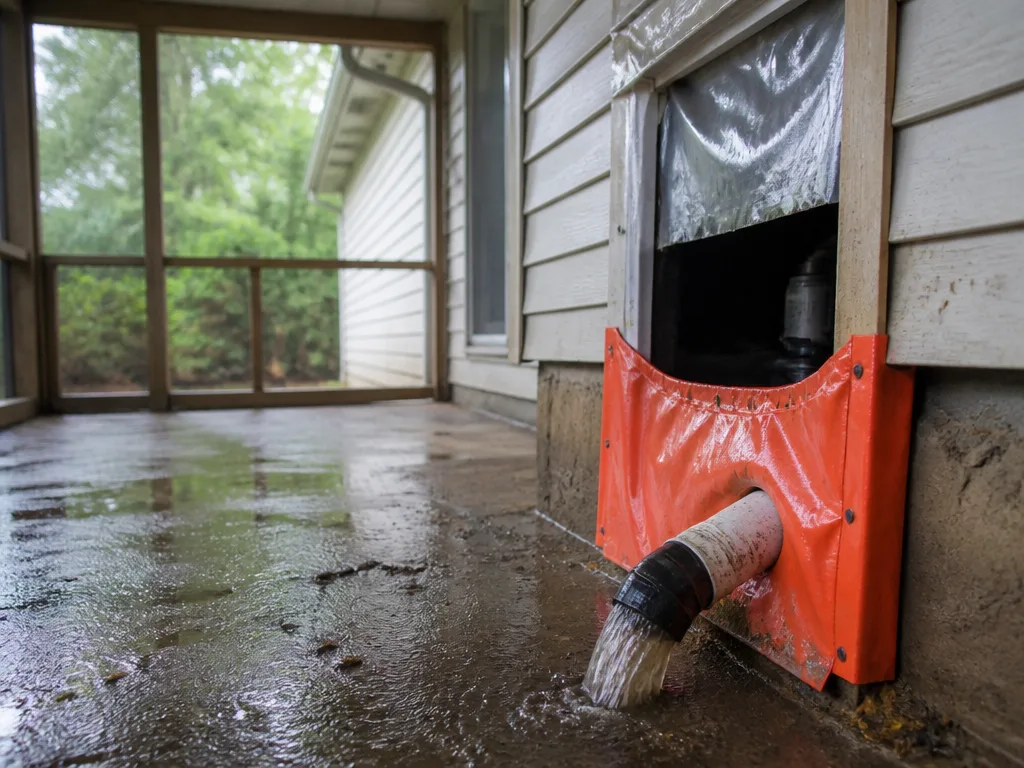
Small, contained leaks with minimal staining can sometimes be managed by a careful, temporary dry-out. If you have a clean, non-salted source and you act quickly, you may reduce some surface moisture. Use towels to blot and a few buckets to remove standing water. Keep kids and pets away from the affected area and document the scene with photos for your records.
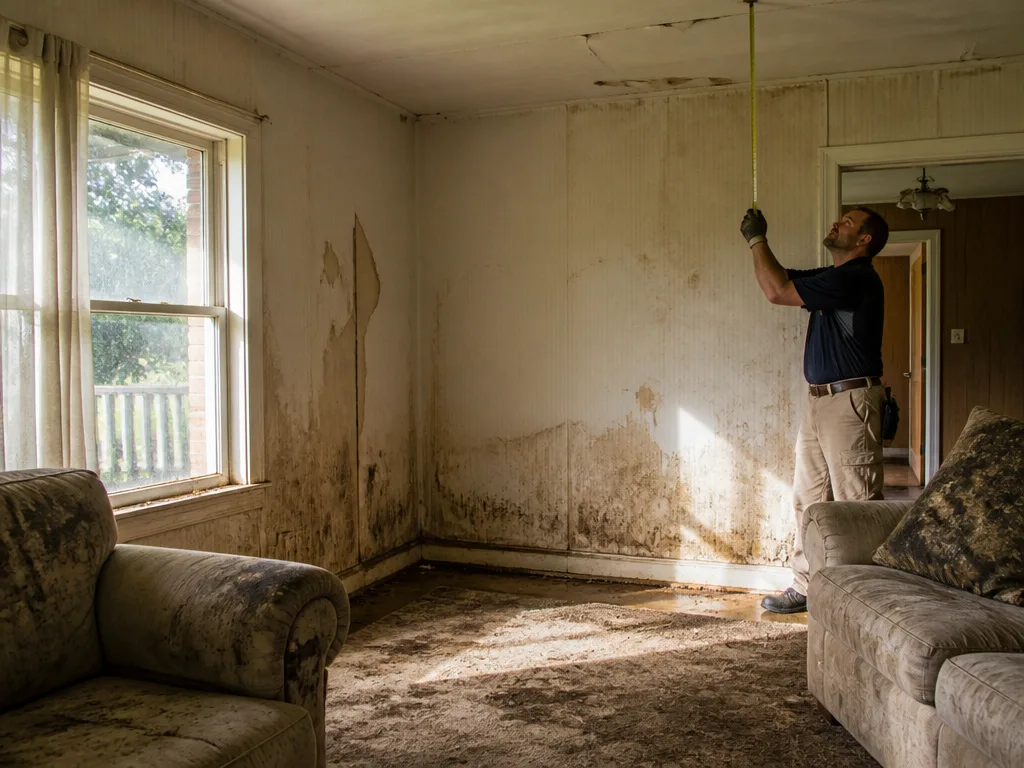
But quick DIY dry-out has limits. It is easy to miss moisture that travels behind walls or under flooring. That hidden moisture can become a mold risk or cause wood to warp. In Alabama, where humidity is high, these hidden pockets can multiply fast if not handled properly.
When a pro is the right call
A restoration specialist should step in when there is any sign of widespread moisture, lingering odors, or potential mold. They have specialized equipment to measure moisture in walls, ceilings, and subfloors, and can map how moisture moved through the home. Alabama Flood Repair offers statewide service, so you’re never far from a trained crew who knows local climate and building practices.
Professional assessment helps prevent recurring issues. A pro will outline a plan that includes containment to protect other areas, targeted extraction to minimize secondary damage, and a controlled drying process that preserves materials where possible. They’ll also advise on whetheryou need dehumidification, air filtration, or mold remediation depending on the findings.
What to expect during professional drying
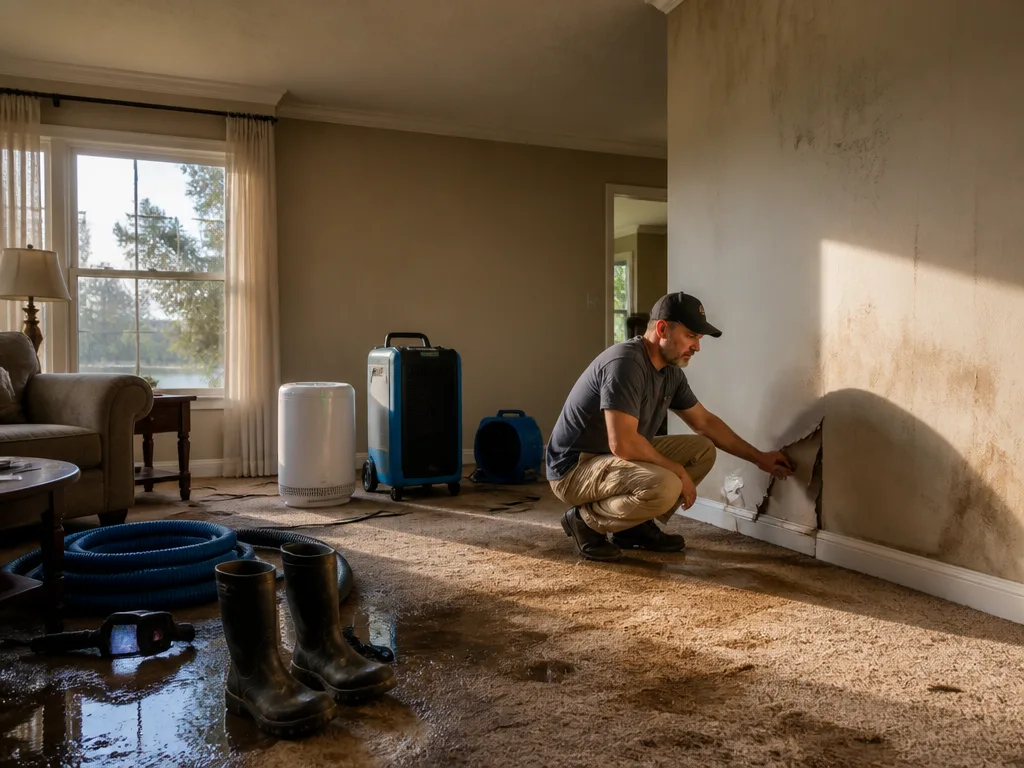
Expect a moisture map, instruments to monitor humidity, and a schedule that explains drying timelines. A restoration specialist will set up dehumidifiers and air movers in a way that optimizes airflow without creating new damage. In short, the goal is to bring moisture levels back to normal across the affected zones while monitoring progress with repeats of the moisture readings.